
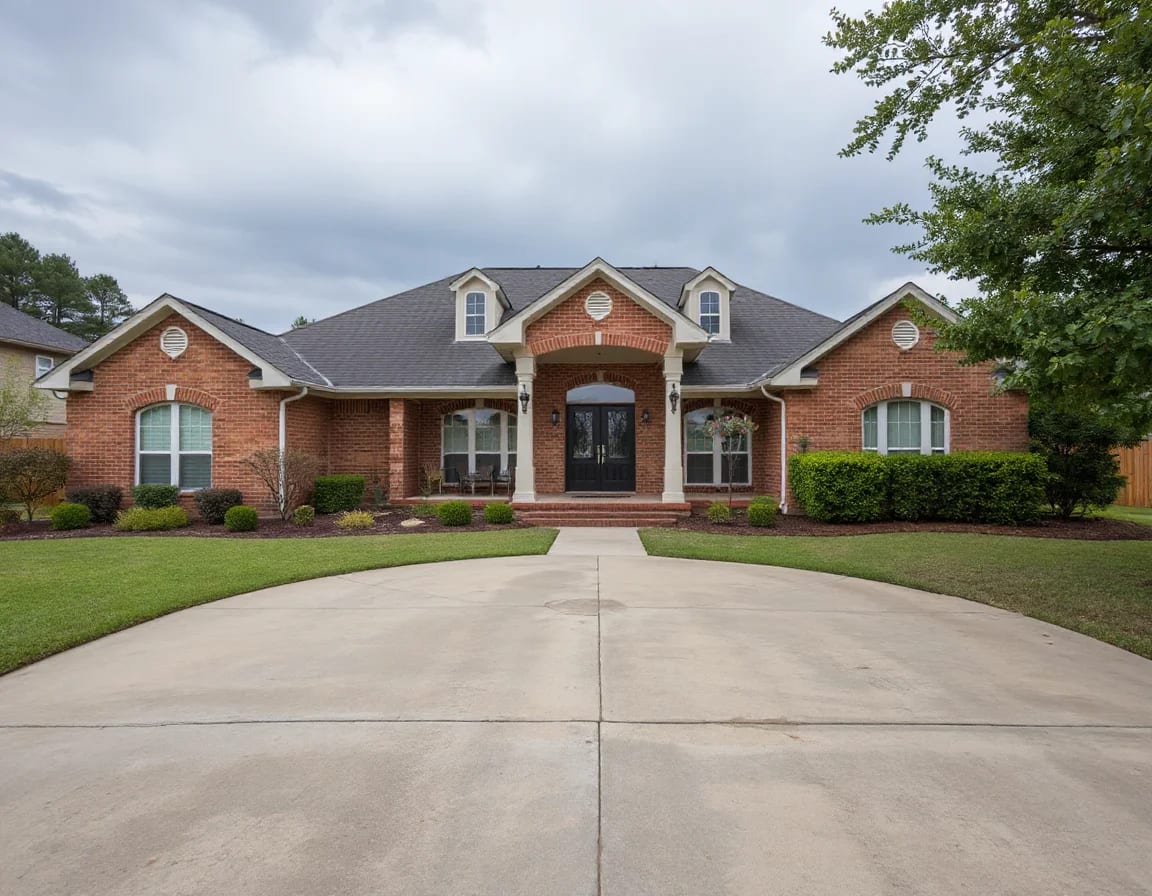
A home inspection is one of the clearest opportunities to understand a property beyond its finishes, room sizes, and listing photos. In Broussard, the process typically gives buyers a practical picture of visible conditions, maintenance priorities, and questions to investigate before closing. Knowing what happens during the appointment can make the inspection report feel useful rather than overwhelming.
The Inspection Is a Visual, Noninvasive Review
Once an offer is accepted and the inspection period begins, buyers can usually schedule a licensed home inspector to examine the home’s readily accessible systems and visible components. The inspector is not there to predict every future repair or guarantee that a home is defect-free. Instead, the goal is to identify observable concerns and explain the condition of major areas at the time of the visit.
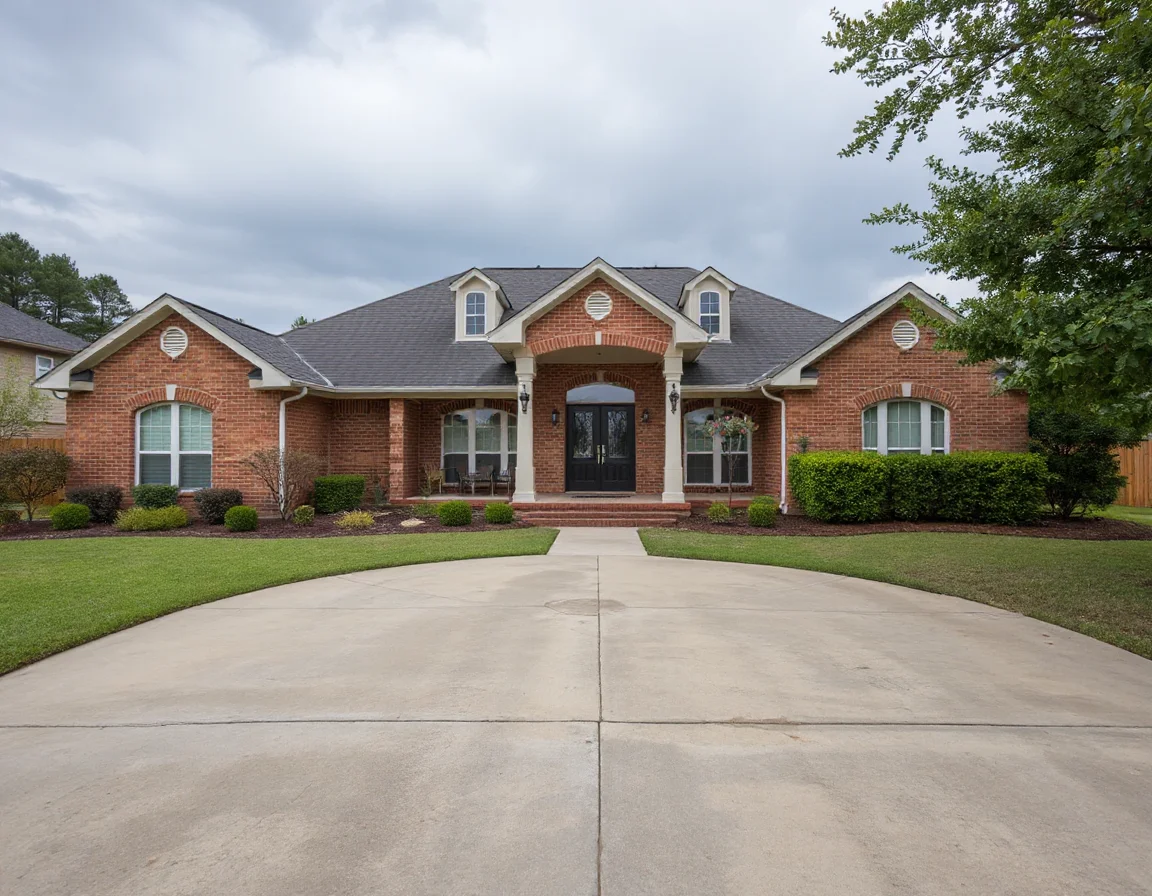
Expect the appointment to cover the structure, roof surfaces visible from accessible areas, exterior drainage features, foundation observations, electrical panel, plumbing fixtures, water heater, heating and cooling equipment, attic access when available, doors, windows, ceilings, walls, and built-in appliances. Inspectors may run faucets, test a representative sample of outlets, operate accessible systems, and note evidence of moisture, wear, or deferred maintenance.
In South Louisiana, buyers often pay close attention to drainage, roof age and condition, attic ventilation, HVAC performance, plumbing, and signs of past water intrusion. Those items are not automatically problems; they are simply important parts of understanding how a home has been maintained in a warm, humid climate with frequent heavy rain. An inspection gives you a reason to ask focused questions instead of making assumptions from a quick showing.
The report is a planning tool, not a pass-or-fail scorecard. A well-maintained older home may still have recommended updates, while a newer property can have items worth addressing.
It helps to remember what a standard inspection generally does not include unless arranged separately. Specialty evaluations may be appropriate for termites or other wood-destroying insects, septic systems, pools, irrigation, mold, lead-based paint, sewer lines, structural engineering, or environmental concerns. If the inspector sees a condition that needs additional expertise, the report may recommend consulting a qualified contractor or specialist.
What the Appointment Usually Feels Like
Most inspections take several hours, depending on the size, age, layout, and condition of the property. Buyers are often encouraged to attend for at least the final portion of the visit, although the exact approach can vary by inspector. Being present gives you a chance to see certain findings in context and learn where key shutoffs, filters, panels, and maintenance points are located.
During the walkthrough, try to listen first and take notes on the inspector’s priorities. A loose handrail, a missing outlet cover, and a major drainage observation do not carry the same weight. Asking, “Is this a safety issue, a maintenance item, or something that needs a specialist?” can help organize the conversation. You can also ask what maintenance would be sensible after closing, even if an item is not part of any repair request.
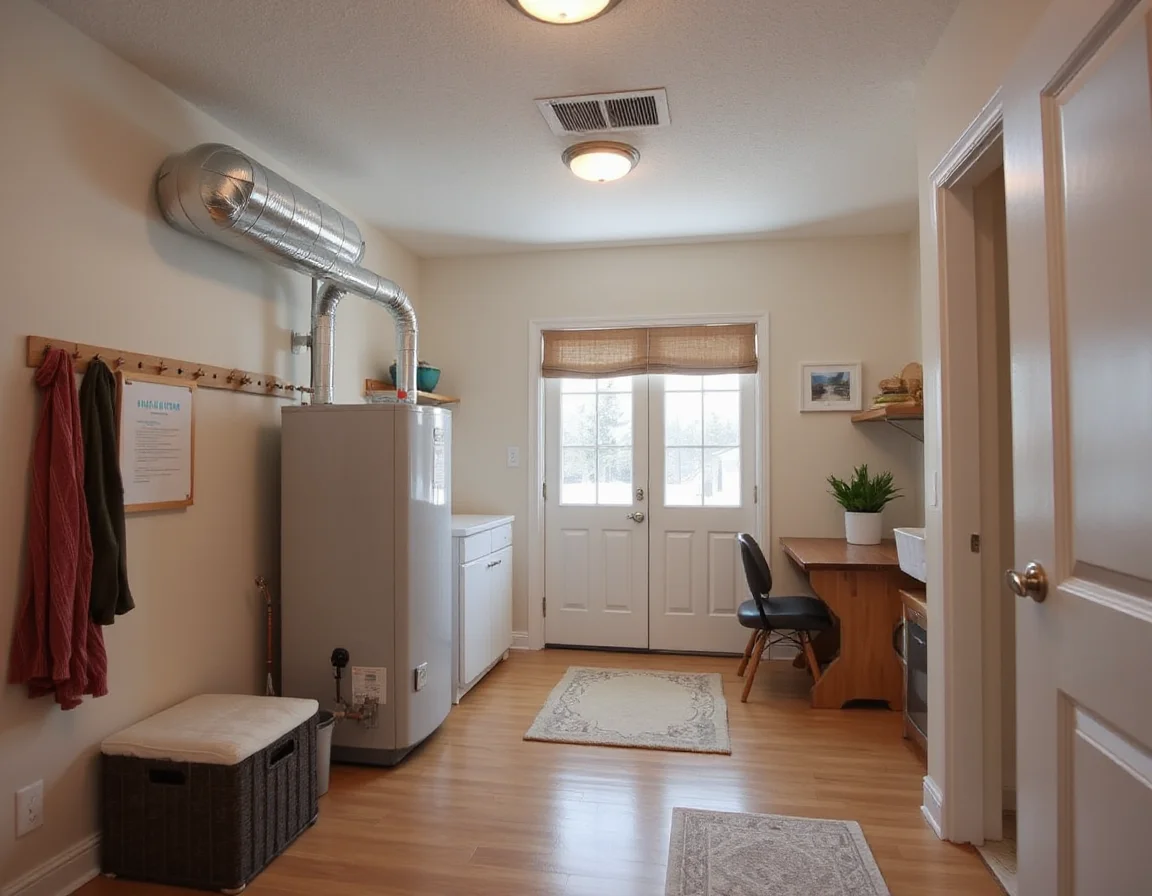
The inspector may use tools such as a moisture meter, electrical tester, thermal imaging device, or ladder when conditions permit. These tools support the visual review, but they do not turn the appointment into destructive testing. Inspectors generally will not move heavy furniture, open walls, dismantle equipment, or inspect areas that are unsafe or inaccessible. If an attic hatch is blocked or a crawlspace cannot be entered, that limitation should be documented in the report.
For a home with a raised foundation, an attached garage, an outdoor kitchen, or a pool area, ask in advance whether those features are included in the standard scope. Clarifying the scope before the appointment helps prevent surprises later. If you are comparing inspectors, review their credentials, sample reports, insurance information, pricing, and turnaround time rather than selecting solely by the lowest fee.
Save room in your schedule to read the report carefully after the appointment. The written report, photos, and recommended next steps are more useful when reviewed calmly rather than rushed during a showing.
How to Read the Report Without Getting Overwhelmed
Inspection reports can be lengthy because they document many components, including items that are functioning as expected. Photos and notes may describe minor cosmetic wear, routine maintenance, aging materials, safety recommendations, and conditions that warrant further evaluation. Length alone does not mean the home has serious issues; it means the inspector has created a detailed record of what was observed.
A practical way to review the report is to sort items into three groups: concerns that may need prompt attention, repairs or evaluations to discuss during the inspection period, and routine maintenance to plan for after closing. Your real estate professional can help you understand the contract timeline and organize questions, while contractors or specialists can provide estimates and technical opinions for work outside an inspector’s scope.
Not every item needs to become a negotiation point. The age of a water heater, normal settling cracks, worn weatherstripping, or an aging appliance may be expected for the home’s condition and price range. On the other hand, substantial active leaks, electrical hazards, roof concerns, structural questions, or system failures can merit closer attention. The right response depends on the inspection findings, your goals, the contract terms, and the availability of reliable follow-up information.
Learn about buyer representation
Preparing for the Next Step
After the report arrives, avoid making decisions based on a single line item without context. Request clarification from the inspector when needed, obtain specialist evaluations for major concerns, and keep copies of estimates and reports. This documentation can help you decide whether to move forward, request repairs or concessions as permitted by the contract, or reassess the purchase based on the full picture.
For sellers, an inspection is also a reminder that basic maintenance matters. Clearing access to the electrical panel, attic hatch, water heater, HVAC equipment, and exterior areas can make the appointment more efficient. Replacing a clogged HVAC filter, addressing active leaks, checking smoke alarms, and keeping records for recent repairs can help present a clearer maintenance history without trying to hide normal age or wear.
Buying in Broussard is about more than finding a home that looks right on the day of a tour. A thorough inspection adds practical knowledge about the property’s visible condition and helps turn a major decision into a more informed next step. With time to ask questions, review the report, and consult the appropriate professionals, buyers can approach the remainder of the transaction with greater clarity.