

Small adjustments can make a measurable difference when selling in Broussard, where buyers often compare newer subdivisions, established streets, and move-in-ready options side by side. This guide covers five practical prep moves that help a home photograph better, show more smoothly, and compete more confidently without turning pre-listing work into a full renovation project.
Start With Condition Buyers Can See in the First Five Minutes
In Broussard’s suburban market, many buyers are evaluating homes quickly online before deciding which ones deserve an in-person showing. That means the opening impression matters twice: once in the listing photos and again the moment someone pulls into the driveway and steps through the front door. Fresh mulch, trimmed landscaping, pressure-washed concrete, and a clean entry can signal that the rest of the property has been cared for with the same attention.

Inside, focus first on what buyers notice immediately: paint touch-ups, light fixtures that work, doors that close properly, and flooring that looks clean and uninterrupted. These are not glamorous updates, but they help remove hesitation. In a market where buyers may tour several homes in one afternoon, visible deferred maintenance can make a listing feel like extra work, even when the actual fix is simple.
One smart approach is to walk the home as if you are seeing it for the first time. Stand in the foyer, kitchen, and primary living area and note anything that draws attention for the wrong reason. Scuffed baseboards, crowded counters, and dark corners can all be addressed before the photographer arrives.
If a buyer’s first impression is “clean and ready,” they are more likely to focus on layout, light, and features instead of building a mental repair list.
Make the Floor Plan Feel Larger Without Changing the Layout
Many Broussard homes offer practical layouts with open living areas, breakfast spaces, bonus rooms, and covered outdoor areas. The goal during prep is not to make the home look unfamiliar; it is to make each space read clearly and feel easy to use. Removing extra furniture, storing oversized décor, and creating visible walking paths can make a room feel more spacious in both photos and showings.
Start with the rooms that carry the most weight in buyer decision-making: the living room, kitchen, primary bedroom, and bathrooms. In the kitchen, clear counters down to a few intentional items. In the living room, pull furniture slightly away from walls when it improves flow, and edit out anything that interrupts the line of sight. In bedrooms, simplify bedding and reduce the number of personal items on dressers and nightstands.
Closets matter too. Buyers often open them, and an overpacked closet can suggest the home lacks storage even when the square footage says otherwise. Neat, partially filled shelving gives a truer sense of capacity.
Use Light, Color, and Repair Details to Support the Asking Price
Pricing conversations are easier when the home’s presentation supports the number. That does not always require expensive upgrades. Often, the best return comes from brightening paint, replacing dated bulbs with consistent warm lighting, re-caulking where needed, and fixing the small items buyers tend to remember. A dripping faucet or missing cabinet pull may seem minor, but enough of those details can change how buyers judge value.
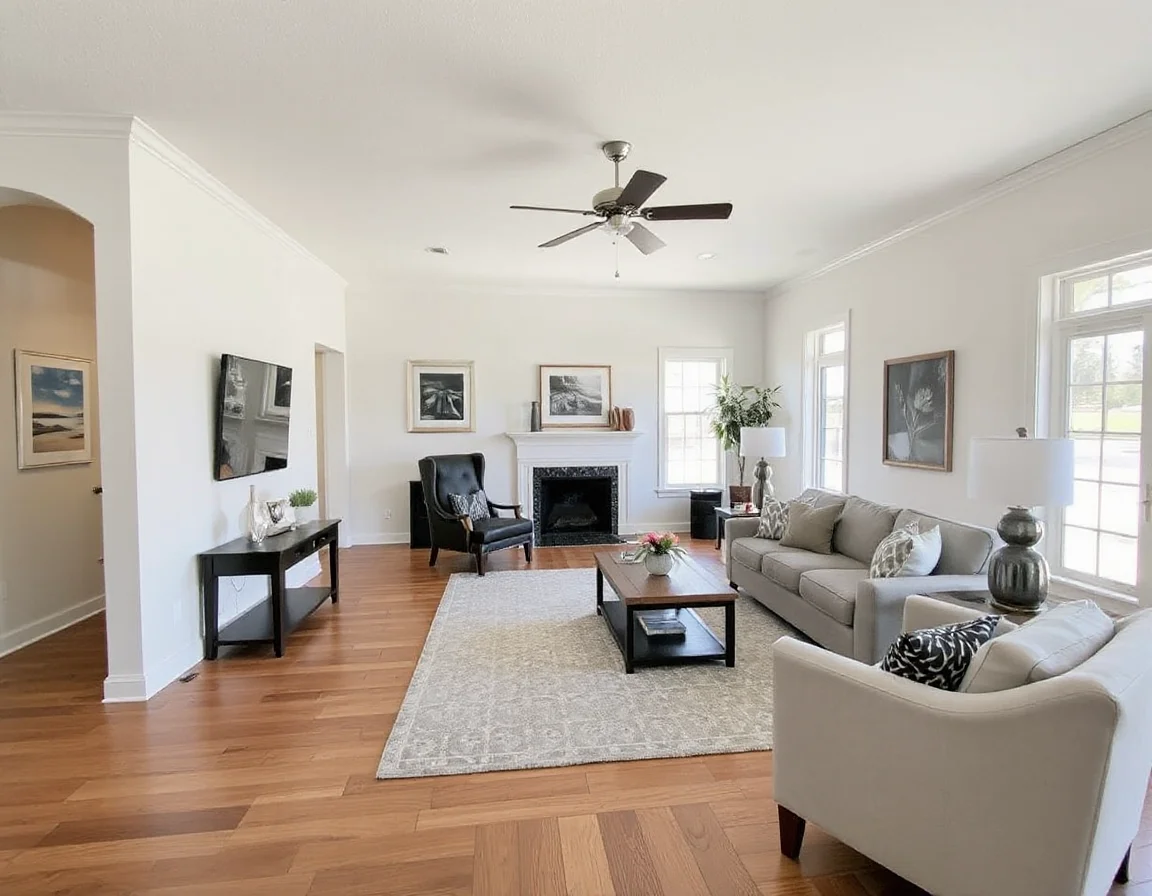
Neutral presentation tends to widen appeal because it helps buyers picture the space itself rather than someone else’s style choices. That can mean toning down bold paint, removing heavy window treatments, or swapping out worn bath linens before photos. The point is not to make the home look generic. It is to let the architecture, light, and function do the talking.
When deciding where to spend money, prioritize visible updates over hidden ones unless a major system issue needs attention. Fresh interior paint in the main living spaces, a sharpened-up kitchen, and polished bathrooms typically go further than niche cosmetic projects that do not register quickly.
Professional listing photos also matter here. A well-prepared home paired with strong marketing helps online shoppers stop scrolling and book a showing.
The most effective prep budget usually goes toward items buyers can notice in listing photos within seconds: light, cleanliness, paint condition, and visual simplicity.
Don’t Overlook Outdoor Living and Everyday Function
Outdoor spaces are an important part of how many buyers evaluate homes in South Louisiana. Covered patios, fenced backyards, and easy indoor-outdoor flow can add real value to the showing experience when those spaces are presented intentionally. Sweep the patio, clean outdoor furniture, replace worn cushions if needed, and make sure the yard edges look maintained. Even modest outdoor areas show better when they feel usable and finished.
Function matters just as much as style. If a mudroom corner, utility area, or drop zone near the garage tends to collect clutter, organize it before every showing. Buyers notice how a home handles daily routines, especially in high-traffic spaces. A property that feels orderly tends to feel more practical.
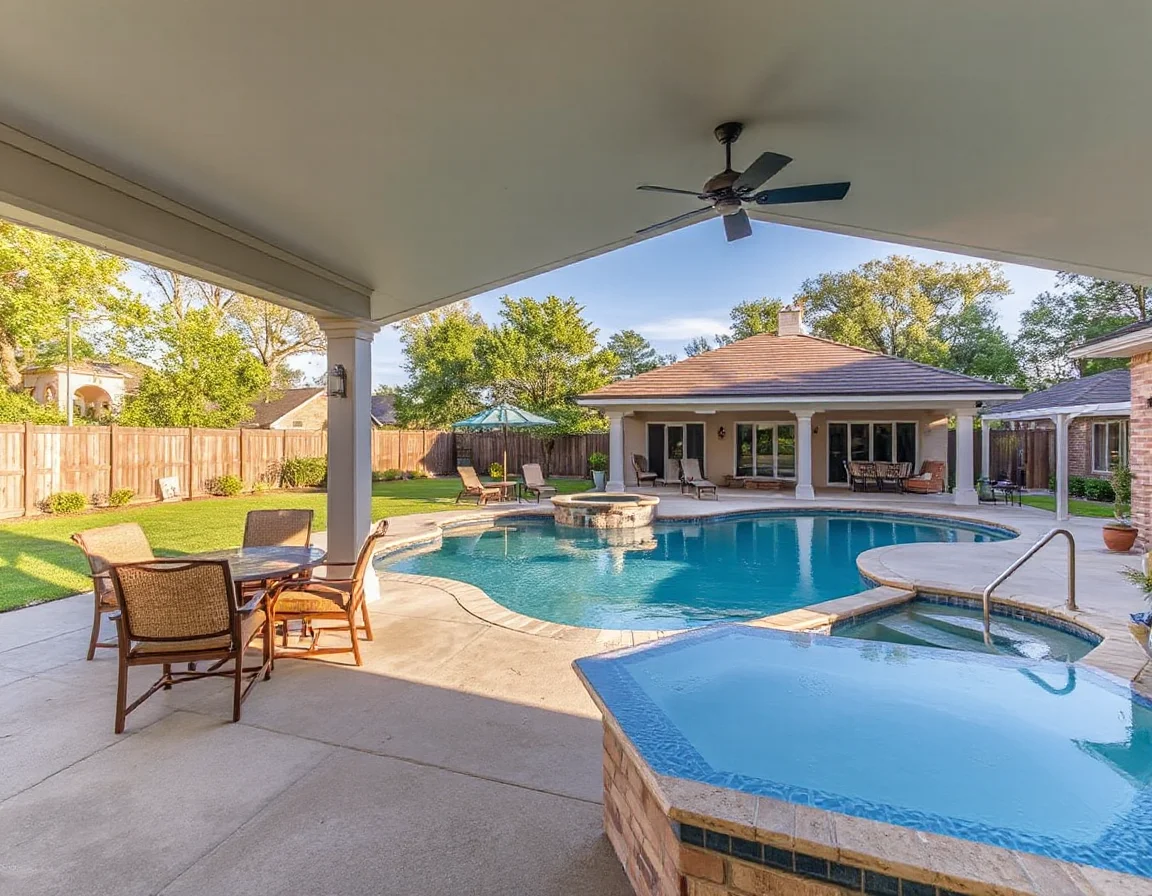
If your home has a garage, storage shed, or built-in organization features, make them visible rather than crammed. These are not side notes in a suburban market. They are part of the value story, particularly when buyers are comparing convenience and usable square footage across several listings.
Before each showing, think through the sensory experience too: comfortable temperature, open blinds where appropriate, and a clean, fresh-smelling interior. These details are subtle, but they shape how long buyers linger and how favorably they remember the home afterward.
Prep for the Market You’re In, Not the One You Wish You Had
The last move is strategic: match your prep plan to current competition in Broussard instead of relying on generic seller advice. Look at what buyers can already choose from in your price range. Are competing listings newly painted? Do they show updated kitchens? Are they vacant, staged, or occupied but exceptionally tidy? Prep decisions become easier when you know what standard your home needs to meet to stand out.
This is where local market guidance can save time and money. A seller does not need to do everything. The right plan is the one that improves presentation, aligns with expected buyer feedback, and supports a realistic pricing strategy. Sometimes that means a short list of cosmetic fixes and a fast launch. Other times it means a deeper pre-listing refresh to avoid sitting behind better-prepared competition.
In Broussard, where homes can vary from newer construction to established neighborhood properties, the strongest listings tend to combine good condition, clear marketing, and a polished showing experience. Sellers who focus on those three areas are usually in the best position to attract serious interest early.
Thinking like a buyer before the sign goes up is one of the smartest moves a seller can make. When the home looks cared for, feels easy to live in, and enters the market with a clear competitive edge, every showing has a better chance to turn into meaningful interest.