
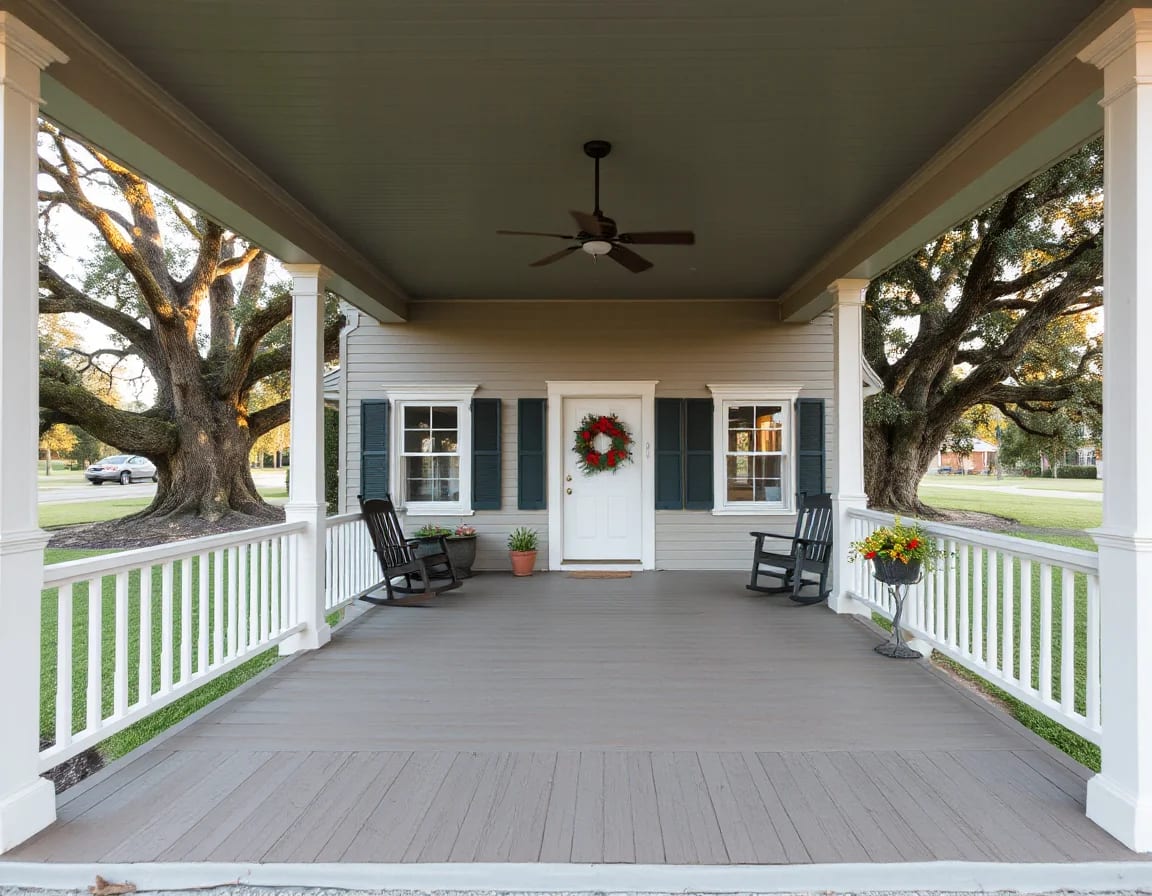
Choosing between Carencro and Scott often comes down to pace, housing style, and how you want daily routines to feel. Both communities offer convenient access to the greater Lafayette area, but each has a distinct rhythm, from the streetscape and local gathering spots to the types of homes buyers tend to notice first. This guide compares the two in practical terms so you can narrow your search with more confidence.
Two nearby communities with different everyday energy
When buyers start comparing small-town options around Lafayette, Carencro and Scott are often on the same shortlist for good reason. Both offer a location that keeps errands, work commutes, and regional destinations within reach, while still delivering a more relaxed setting than a denser city core. Yet once you spend time in each place, the differences become easier to spot.

One feels a little more connected to ongoing growth patterns north of Lafayette, while the other leans into an established identity shaped by longtime local traditions and easy regional access. That difference can affect what you see in the housing stock, how quickly inventory moves, and which streets or subdivisions catch your attention first. Buyers who know what kind of day-to-day atmosphere they want usually find the decision gets much clearer.
Carencro often appeals to people looking for a mix of newer development, familiar neighborhood layouts, and a straightforward commute into Lafayette. Scott, meanwhile, tends to stand out for its well-known local culture, recognizable main corridors, and a setting that feels closely tied to west-side Acadiana movement. Neither option is universally “better”; the better fit is the one that lines up with your routines, budget range, and preferred home style.
A difference of just a few minutes in commute patterns can shape how a place feels over time, especially if you regularly travel to Lafayette, I-10, or other nearby employment and service hubs.
How the home search experience usually differs
From a real estate perspective, the comparison often starts with inventory style. In Carencro, buyers may find subdivisions with newer construction influence, practical floor plans, and homes that emphasize updated finishes or open-concept living areas. Lot sizes, age of construction, and pricing can vary, but the overall search may feel geared toward homes that reflect more recent building trends.
Scott can offer a broader blend, including established neighborhoods, custom homes, and properties with a little more variation in age, layout, and setting. Some buyers enjoy that mix because it creates more personality from one listing to the next. Others prefer the predictability that often comes with newer neighborhood development patterns. It really depends on whether you want consistency in the search or a wider range of architectural and lot-style options.
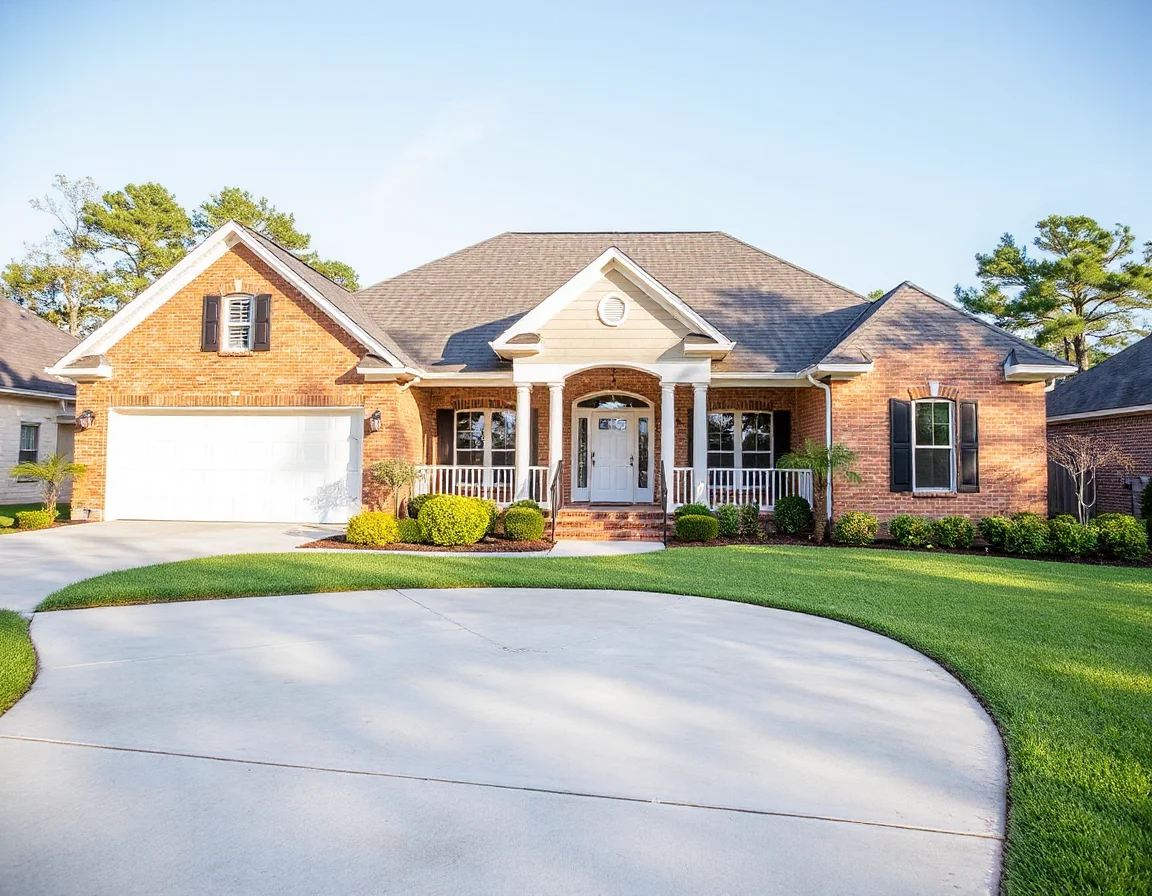
Another practical difference is how buyers emotionally respond to the surroundings. Some properties in Carencro may feel more “move-in ready” on first impression because of updated interiors and newer community layouts. In Scott, buyers may encounter homes with mature landscaping, more established streets, or a different sense of place that can be hard to capture in listing photos alone. That is why touring in person matters so much when comparing these two markets.
Pricing trends also deserve a close look, not because one place is always cheaper, but because value can show up in different ways. In one market, value may mean newer finishes for the price. In the other, it may mean lot size, location convenience, or a property with features that are harder to replicate in a newer subdivision. An experienced local read on current inventory can help buyers weigh those tradeoffs instead of focusing only on headline list price.
Local feel, dining, and recreation around town
Daily life is about more than the house itself, and this is where the contrast between the two communities becomes more personal. Carencro offers practical access to shopping, services, schools, parks, and regional routes while maintaining a smaller-town feel. For many buyers, that balance is the appeal: enough convenience to keep life efficient, with enough breathing room to avoid feeling crowded.
Scott is especially well known in Acadiana conversation for its food culture and strong local identity. Community events, longtime businesses, and recognizable gathering spots can make the area feel immediately familiar even to buyers who are still learning the region. That sense of identity does not mean every block feels the same, but it does give Scott a character that many people notice quickly when they drive through and explore.
In both places, recreation tends to center on neighborhood parks, youth and adult sports facilities, community events, and easy drives to wider Lafayette-area amenities. Buyers comparing the two should pay attention to where they actually spend free time now. If most of your week revolves around quick access to errands and a direct route into Lafayette, one town may naturally suit you better. If you place a premium on established local character and west-side convenience patterns, the other may rise to the top.
The best comparison tour is often simple: drive each town at weekday rush hour, then again on a Saturday morning. You will notice traffic flow, noise levels, and activity patterns that listing photos never show.
Commute patterns and long-term flexibility
Because both communities sit within the greater Lafayette orbit, buyers sometimes underestimate how much directional travel matters. A home that looks ideal on paper can feel less convenient if your usual route takes you across the busiest corridors at the wrong times of day. That is why commute testing is worth doing before writing an offer.

Carencro may make sense for buyers who want a north-of-Lafayette position and access patterns that support regular travel in that direction. Scott can be especially practical for those who prefer west-side positioning and straightforward access to I-10 and adjacent parts of Acadiana. Neither is a one-size-fits-all answer, but the map starts to matter more when you overlay work, school, healthcare, recreation, and airport routines.
Long-term flexibility matters too. Think beyond today’s commute and ask how the property could support future needs: workspace at home, guest space, outdoor storage, aging-in-place considerations, or resale appeal tied to neighborhood condition and location. A home that works well now and remains functional later can be the smarter move, even if another listing initially looks flashier online.
That is where local guidance becomes especially useful. A market-focused agent can help compare not just two towns, but two different ways of living within the same metro area. Ava Trimble and Real Broker, LLC bring that Acadiana-specific perspective to buyers who want more than a basic list of active homes—they want context.
Which one fits best?
If you are deciding between Carencro and Scott, start with your routines rather than assumptions. Compare the type of homes you prefer, the streets and surroundings that feel most comfortable, the routes you drive most often, and the kind of local atmosphere you want to come home to. For some buyers, Carencro’s growth pattern and housing mix will feel like the obvious match. For others, Scott’s established character and west-side convenience will be hard to beat.
The good news is that these two communities are close enough to compare directly without guesswork. With a focused tour plan and current market insight, you can move past broad impressions and identify which location truly supports your next move. In a market where details matter, that clarity can save time, strengthen decisions, and help you find a home that feels right both on day one and years down the road.